
Residential Painting for Michigan Homes
Residential painting starts with a decision about your home, not simply a color. You might want a brighter living room, a refreshed exterior, or several spaces brought together after repairs. The useful starting point is to identify the surfaces that need attention and the result you want from each one.
KS Paintings Inc provides residential interior and exterior painting, drywall repair and home improvement services across Michigan. Whether your project involves one room or a broader update, bring the painting and repair questions into the same conversation. That makes it easier to discuss the complete scope before deciding which work to prioritize.
Request a free project estimate or call (586) 360-0031. Describe the property, the areas involved and any concerns about existing surfaces.

- Free, no-obligation estimates
- Quotes based on an in-person look at your surfaces
- Wayne, Oakland, Macomb, Washtenaw & Allegan counties
Choose the right scope for your home
Interior rooms and connected spaces
An interior project can involve much more than the walls you notice first. Ceilings, door frames, baseboards and adjoining hallways all affect how the finished space feels. Before comparing colors, make a simple room list and note which of those surfaces you want included. A wall-only refresh and a room that also includes ceilings, trim and doors are different projects.
Think about the connections between rooms, too. A living room may open directly into a dining area, while a stairwell can carry the same wall color between floors. Discuss where a color should stop, which existing finishes will remain and whether nearby surfaces need attention. These decisions help avoid an unfinished transition between newly painted and untouched areas.
Our interior painting page explains room, ceiling and detail work more closely. Keep this residential overview as your starting point when you are deciding how several parts of the home fit together.
Exterior surfaces and outdoor details
Outside, define the project by material and condition as well as appearance. Siding, trim, doors, shutters, decks and fences do not necessarily need the same treatment. A faded surface may need a different approach from peeling paint or deteriorated wood. Mention those differences when you describe the work instead of assuming one exterior price includes every element.
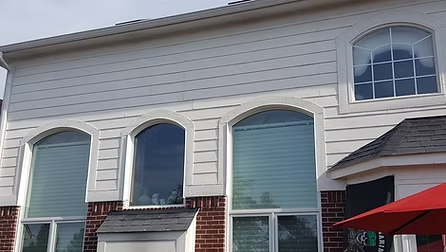
Look at the whole elevation rather than only the most visible wall. Window surrounds, entry details and garage doors can change the balance of an exterior color scheme. If you want some elements kept in their existing finish, identify them clearly. It is equally useful to explain what should remain untouched.
Explore exterior painting services for a closer discussion of surfaces, preparation and weather. Exterior scheduling needs to account for the selected coating and actual conditions; a preferred date is a discussion point rather than a promise about suitable weather.
Painting alongside repairs and improvements
Painting often sits within a larger sequence of work. A damaged wall may need repair before a finish is considered, while trim replacement or a kitchen update can change which surfaces need painting. Tell us about work already planned or recently completed so that the estimate reflects the space you intend to finish.
KS Paintings Inc also offers drywall repair and installation and home improvements. Those services provide useful routes for discussing related tasks. Their presence does not mean every repair is automatically included in a painting estimate. Ask which items belong in the proposed scope and which need separate assessment.
For a multi-part project, a priority list is more useful than a vague request to do everything. Separate essential repairs, the painting you want now and improvements you may consider later. That gives the conversation a practical structure without committing you to a larger project than you need.
Plan the preparation before choosing a finish
Surface condition changes the job
The existing surface is part of the work. Nail holes, damaged corners, uneven repairs, loose coatings and stained areas can all affect what needs to happen before paint is applied. Point out the places that concern you, including marks that return after previous decorating. A photograph can help explain the location, although it may not show the full condition.
Manufacturer guidance provides a useful principle: a surface should be sound, clean and dry before coating. Sherwin-Williams explains why preparation matters. The relevant preparation still depends on the actual material, previous finish and product selected. This reference is general guidance, not a claim about a particular paint brand used on your project.
If your home was built before 1978, flag its age before discussing work that could disturb existing paint. The EPA recommends appropriately trained, lead-safe certified contractors for affected older-home renovation work. Do not assume ordinary painting or repair services establish a contractor's certification for that work.
A finish can change the appearance of a surface, but it should not be treated as an explanation for recurring moisture or movement. Describe the history of a damaged area and discuss what needs assessment before cosmetic work proceeds.
Access and everyday use belong in the plan
Your home still has to function while work is being considered and arranged. Explain which rooms are regularly occupied, where people need to pass through and whether stairs or entrances are involved. Those details help define a practical conversation about access. They should be settled for your project rather than borrowed from a generic schedule.
Discuss belongings and protection arrangements explicitly. Ask what you should remove, what can stay and how the work area will be organized. Do not assume furniture moving, storage or a particular daily cleanup arrangement is included simply because another estimate mentions it. Clear expectations matter more than broad reassuring language.
It can also help to identify the areas you would like finished first. A bedroom, hallway and kitchen may have different practical priorities. Share any important dates, but keep the final sequence open until the surfaces and scope have been reviewed.
Use the painting and home improvement gallery to discuss visible details that interest you. Rooms, doors and exterior surfaces can help communicate your preferences. A photograph is a starting point for that conversation, not a promise that your property requires an identical method or result.
Color decisions are easier when you separate the overall relationship from the individual shade. Decide whether rooms should feel connected or distinct, and whether trim should provide contrast or blend into the walls. Existing flooring, counters, brick and roof colors are useful reference points because they may remain after the painting is complete.
Try to judge a possible color in the part of the home where it will be used. Daylight, lamps and nearby finishes can change its appearance. A small sample is a comparison aid, not a guarantee that every wall or outdoor elevation will look identical. Keep notes on the options you prefer and discuss how the selected finish relates to the surface and its use.
Get a useful estimate for your residential project
Bring the right project details
Begin with your Michigan location and a short description of the property. Then list the rooms or outside surfaces, the work you want completed and any repairs you already know about. Mention whether you are keeping the current color family or considering a larger change. You do not need a finished design plan to ask for an estimate.
Useful details include ceiling height, stairs, difficult access, damaged areas and finishes that need to remain. If several people are making the decisions, agree which parts of the project are essential before the conversation. This keeps the estimate focused on work everyone understands.
You can check the service-area directory for existing Michigan county and community routes. Statewide coverage does not mean there is a separate office in every town. Include the actual property location when you get in touch so the project can be discussed accurately.
Compare scope and decide what comes next
A useful estimate should make the project easier to understand. Review the surfaces discussed, preparation and repair items, finish choices and any exclusions. If two proposals differ, check whether they describe the same work before comparing their totals. Similar room names can conceal quite different assumptions about ceilings, trim or repairs.
Ask questions while the scope is still being shaped. Clarify the parts you are unsure about and identify work you may want considered separately. Keep a record of your selections and agreed changes so the painting project remains connected to your original priorities.
For help defining a residential painting project, contact KS Paintings Inc or call (586) 360-0031. Bring the room list, exterior concerns or repair questions that matter to your home, and request a free estimate for the work you want to discuss.
Frequently Asked Questions
Do you handle both interior and exterior painting on the same project?
Yes, and it is worth raising both at the estimate stage even if you only plan to do one now. Exterior work is season-dependent in Michigan while interior work is not, so sequencing them deliberately usually produces a better schedule than booking them separately.
How is a painting quote worked out?
From an in-person look at the actual surfaces rather than a figure given over the phone. Area matters, but so does condition, the amount of preparation required, access, and the finish you want. Two quotes that cover different preparation are not comparable, which is why we set out what is included.
What happens when I request a free estimate?
You describe the rooms or elevations and the result you want, we arrange a visit to look at the surfaces, and you receive a written scope and price. Nothing is committed at that point. The visit is also your chance to ask how access, protection and scheduling would work in your property.
Do you work with landlords, property managers and apartment buildings?
Yes. Tenanted and managed properties bring their own constraints, so mention occupancy, turnaround deadlines, shared corridors and any building-management requirements when you enquire. Those affect scheduling and access more than the painting itself does.
Can you match an existing colour?
Often, and it is easier if you still have the original tin, a paint code or an offcut. Matching from memory or a photograph is unreliable because screen colour and room lighting both distort it. Where an exact match is not achievable, we will say so rather than discover it mid-job.
How much disruption should I expect?
Less than most people assume for a single room, more than most expect for a whole-house repaint. The honest answer depends on how many rooms are in play at once and whether you need them usable in between. Tell us which spaces must stay in service and we will plan around that.